Hi, I’m Sorcha.
I’m Sorcha Rice, an Autistic and ADHD Senior Occupational Therapist with lived experience of PDA and burnout.
I work from a nervous system–led, neuroaffirmative framework that understands PDA as a survival response, not a behaviour problem.
Why my framework is different
I am a Senior Occupational Therapist, Autistic and ADHD, with lived experience of PDA, masking, and nervous system burnout.
My framework is different because it does not separate theory from lived experience, or nervous systems from daily life. I do not approach PDA as a behavioural presentation to be managed, reduced, or tolerated. I approach it as a nervous system responding to loss of safety and autonomy and unpredictability — often in environments that are fundamentally unsafe for that nervous system.
This shapes everything about how I work.
My Approach
My work is grounded in neuroaffirmative occupational therapy. That means I focus on how nervous systems function within real environments, relationships, and expectations — not on producing externally “acceptable” behaviour.
I work from the understanding that:
regulation is not calm
distress is communication
autonomy is not optional for safety
masking is not a sign of coping
behaviour change without environmental change is not support
Occupational therapy offers a nervous system lens that is often missing from PDA conversations. Sensory processing, interoception, predictability, co-regulation, and meaningful occupation are not add-ons; they are foundational.
I am interested in capacity, not compliance.
My Education
My work is grounded in both clinical training and lived experience.
I completed a Master’s degree in Occupational Therapy at University of Limerick, where I developed a strong foundation in nervous system regulation, sensory processing, participation, and occupation-based practice.
Prior to this, I completed an undergraduate degree in Health Science (Pre-Clinical) at the University of Central Florida. This provided a broad grounding in human health, pscyhology, physiology, and clinical pathways, which continues to inform my systems-level understanding of wellbeing and access.
My education sits alongside ongoing clinical practice, reflection, and learning, and is integrated with lived experience to inform a neuroaffirmative, regulation-first approach to PDA.

Lived experience as knowledge

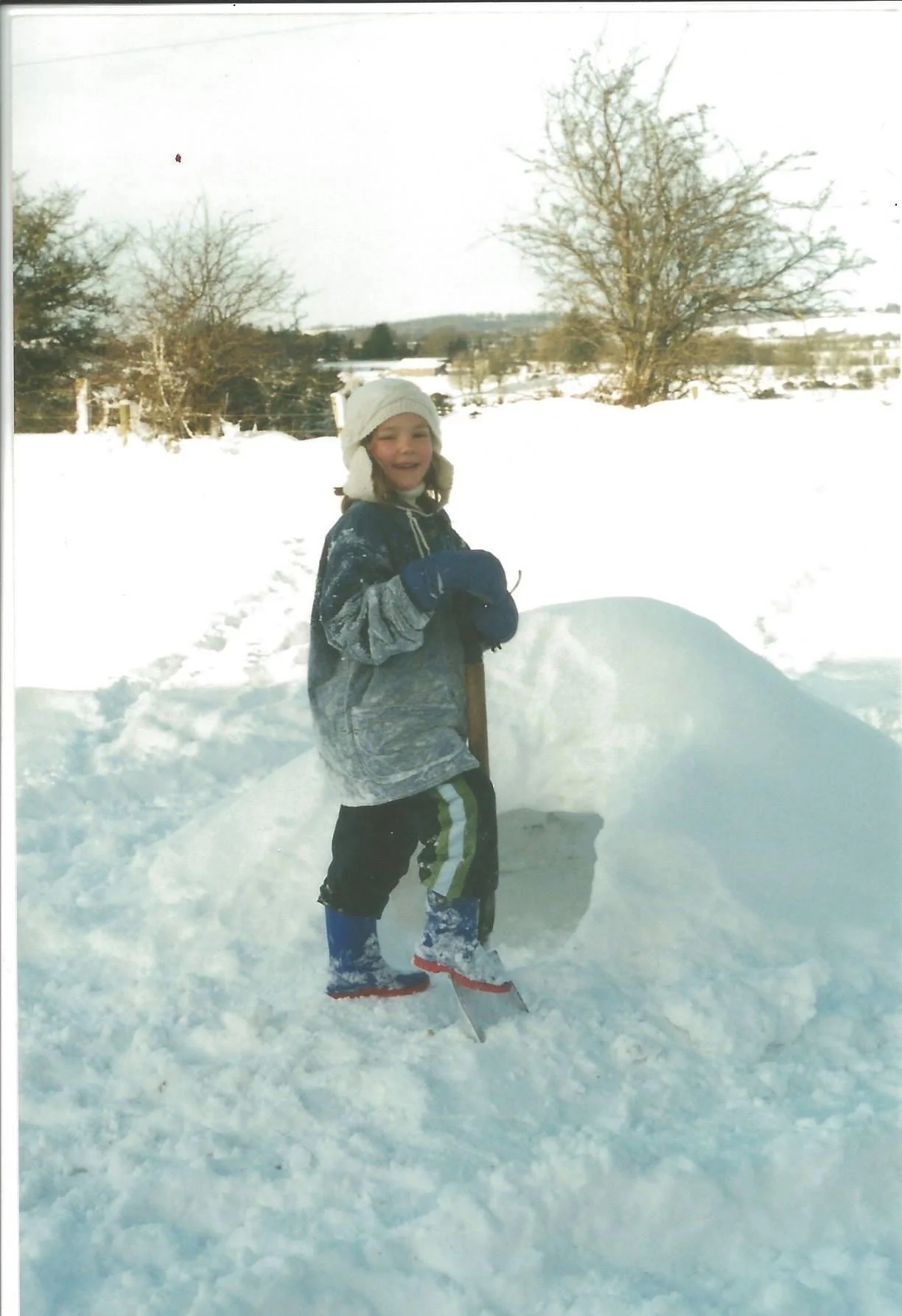
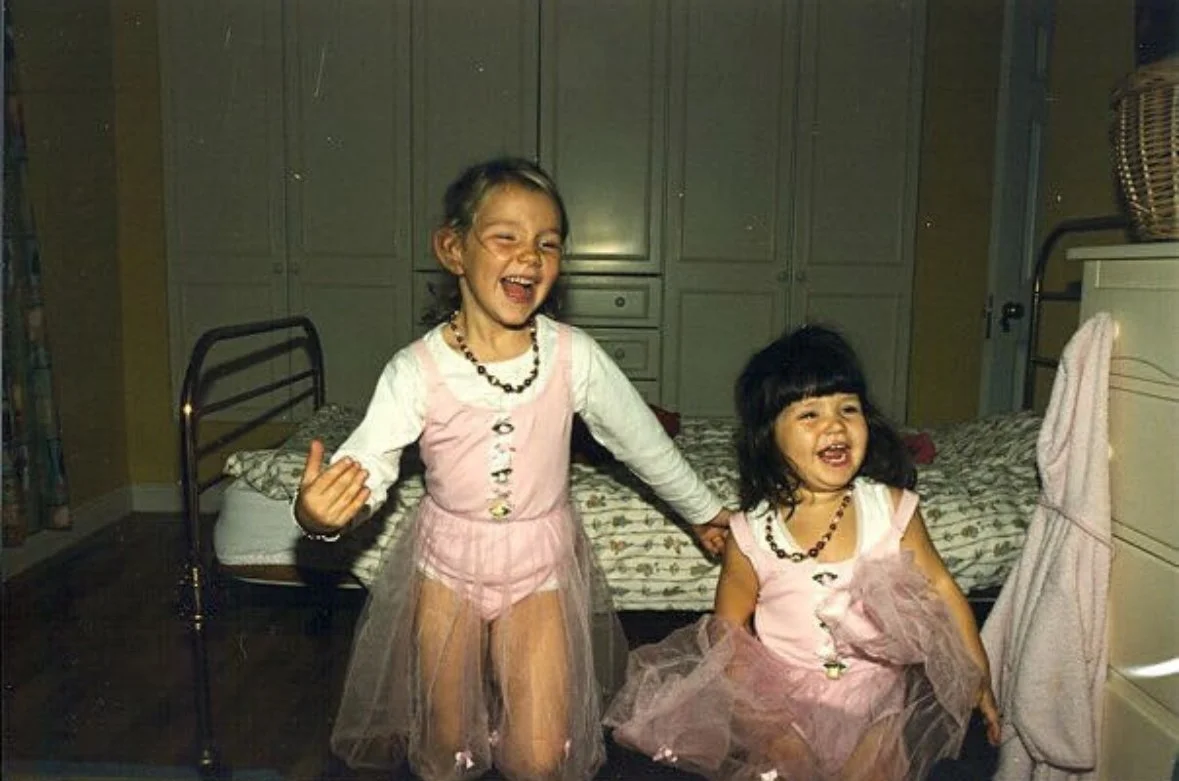
I grew up navigating environments where expectations were high, predictability was low, and success depended on masking. Over time, this led to significant burnout — not because I lacked resilience or skills, but because my nervous system was constantly overridden.
That experience fundamentally shapes how I understand PDA.
It means I am attentive to:
subtle and masked distress
the long-term cost of “coping”
the gap between how someone appears and how safe they feel
why many PDAers are supported only after burnout has already occurred
Lived experience is not anecdotal. It is nervous system data. When combined with clinical training, it allows for a depth of understanding that neither offers alone.
What I am passionate about
I am passionate about changing how PDA is understood and supported across homes, schools, and professional spaces.
In particular, I care deeply about:
moving PDA conversations away from behaviour and toward nervous systems
supporting adults to recognise masked distress before burnout
helping educators understand why traditional school structures escalate PDA
ensuring PDAers are not required to sacrifice autonomy to access support
creating resources that are accessible, non-coercive, and grounded in safety
I am not interested in quick fixes or universal strategies. I am interested in frameworks that respect nervous systems, relationships, and context.
My work supports:
PDAers seeking understanding and language for their experiences
parents who sense that conventional approaches are doing harm
educators who want to move beyond behaviour management
professionals looking for a nervous system-led framework
If you are looking for compliance, reward systems, or behaviour modification, my work will not be a fit.

If you are looking to understand PDA through safety, autonomy, and nervous systems, you are in the right place.
Podcast Interviews
I have been a guest on a number of podcasts discussing PDA, occupational therapy, nervous systems, and lived experience.
At Peace Parenting Podcast: Casey Elrich
Sorcha Rice is a Senior Occupational Therapist and the clinical manager of Neurodiversity Ireland, who I met at their 1st conference last year. She identifies as AuDHD and PDA and spoke with me about how she understands and experiences PDA, what her childhood and teen years were like before she was diagnosed, going through burnout and recovery, how she manages her nervous system now, and some of the practices she incorporates to support her PDA occupational therapy clients. It was wonderful to connect with Sorcha and hear her insights and so much of her story! I hope you enjoy it too.
The Middletown Centre for Autism Podcast
In the latest Middletown Podcast, we chat to Occupational Therapist, Sorcha Rice. Sorcha brings her expertise and lived experience to discuss PDA (Persistent Drive for Autonomy). We discuss what PDA feels like and what supports might be useful at school and at home.